

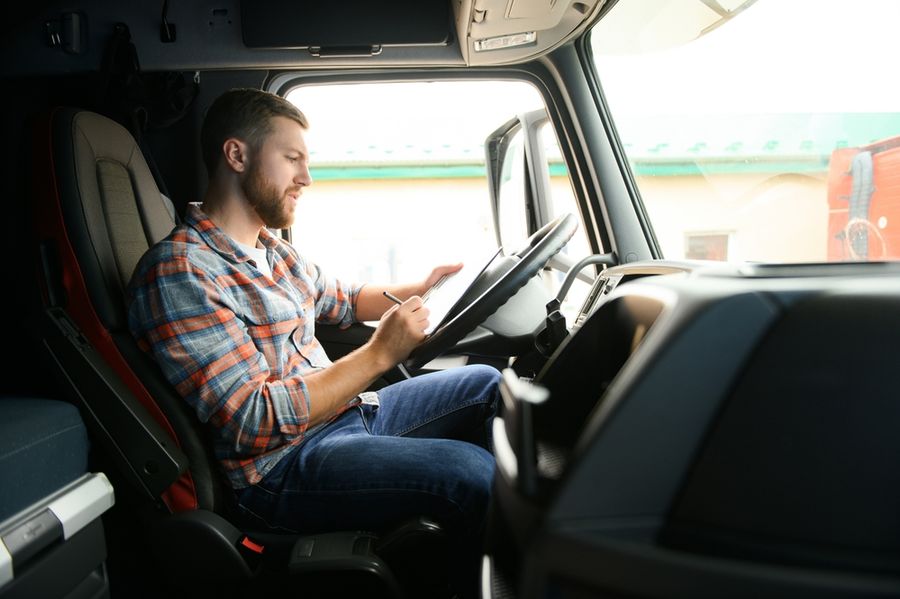
Earning a commercial driver's license (CDL) can open opportunities in trucking, transportation, and other industries that rely on professional drivers. However, choosing the right training program involves more than finding a nearby school with available classes. Programs differ in their instructional methods, driving practice, equipment, schedules, and overall costs. Some also provide assistance with licensing examinations and employment preparation. Understanding each program can help prospective students secure the appropriate training and learn the responsibilities of commercial driving.
1. Verify Federal Registration and State Requirements
Before comparing curricula or tuition, confirm that a training provider meets the requirements for entry-level commercial drivers. Under federal Entry-Level Driver Training (ELDT) regulations, individuals seeking a Class A or Class B CDL for the first time generally must complete approved instruction before taking their skills examination.
The Training Provider Registry allows applicants to search for registered providers by training type and location. Providers must self-certify that they meet federal standards, including requirements concerning instructors, vehicles, facilities, and curriculum. Registration is not an independent guarantee of educational quality, so students should also confirm that a school satisfies any additional requirements imposed by their state.
2. Compare Classroom Instruction and Driving Practice
A comprehensive CDL program should develop both theoretical knowledge and practical vehicle-handling skills. Classroom instruction typically covers vehicle systems, safety procedures, hazard recognition, transportation regulations, and operational responsibilities. Students must demonstrate their understanding through an assessment before their required training can be certified.
Behind-the-wheel instruction is equally important. Federal ELDT training requirements include practice on a closed range and public roads. Although federal regulations do not prescribe a minimum number of training hours for these components, instructors must assess proficiency in required skills. Applicants should therefore compare actual driving opportunities rather than assuming longer advertised programs automatically provide better instruction.
3. Examine Training Vehicles and Instructor Experience
The vehicles used during training can influence the skills students develop and the restrictions attached to their eventual licenses. For example, completing a CDL skills test in an automatic-transmission vehicle results in a restriction against operating commercial vehicles with manual transmissions.
Students should ask whether a school offers instruction in manual or automatic vehicles, the types of trucks available, and whether its equipment matches their intended occupation. The federal CDL restrictions also address air brakes and certain vehicle configurations. During a campus visit, inspect the training equipment and ask about instructor qualifications, vehicle maintenance, and the number of students sharing each truck.
4. Evaluate Class Schedules and Program Completion Times
CDL programs may offer full-time, part-time, weekday, or evening instruction. These differences matter for adults balancing education with employment or family responsibilities. A shorter training schedule may appear convenient, but students should determine whether it provides adequate opportunities to practice driving and master required procedures.
Ask how frequently behind-the-wheel sessions occur, whether classes are guaranteed to begin as scheduled, and how missed lessons are handled. Weather, equipment availability, and instructor scheduling may also affect practical training. Students should request a written outline of the program's sequence, including classroom instruction, driving exercises, assessments, and expected graduation requirements.
5. Compare CDL Training Programs
Prospective students can better understand their options by examining established programs. In Virginia, Tidewater Community College's Truck Driver Training Program offers a 15-week, 16-credit Class A CDL course that combines classroom instruction with extensive hands-on practice. Alternatively, Schneider's CDL Apprenticeship Training provides five to seven-and-a-half weeks of paid instruction, including classroom lessons and behind-the-wheel training for eligible applicants.
Roehl Transport's Get Your CDL program also pays participants during an initial three-week training period, followed by supervised on-the-job experience. These examples illustrate important differences between college-based education and employer-sponsored training. Applicants should compare instructional depth, scheduling, licensing preparation, and employment commitments before choosing a program.
6. Review Tuition, Additional Expenses, and Funding Options
The advertised tuition does not always reflect the complete cost of CDL training. Students may encounter separate expenses for textbooks, medical examinations, commercial learner's permits, licensing tests, equipment, or additional driving lessons. Request an itemized breakdown before signing an enrollment agreement.
Some applicants may qualify for workforce development assistance, employer-sponsored education, or tuition reimbursement. The training provider selection guidance identifies state workforce offices and employer-based programs as possible sources of funding. Compare any repayment obligations carefully, particularly when an employer offers training in exchange for a specified employment commitment. Students should also ask about cancellation policies and potential refund eligibility.
7. Investigate Testing Support and Employment Preparation
A CDL training program should prepare students for the licensing examination and the demands of professional driving. Ask whether the school provides practice for vehicle inspections, basic control maneuvers, and road driving. Some providers also help students arrange skills examinations or explain the licensing procedures required by their state.
Employment preparation can provide additional value. Schools may offer résumé assistance, employer presentations, or introductions to transportation companies. However, claims about placement rates deserve scrutiny. Request information about recent graduates, the types of positions obtained, and whether employment assistance comes with contractual obligations. Training completion should never be confused with a guarantee of employment.
Make an Informed Decision Before Enrolling
Choosing a CDL training program requires balancing regulatory compliance, educational quality, practical experience, affordability, and professional preparation. A school that offers convenient classes but limited driving opportunities may be less suitable than one providing more consistent hands-on instruction and experienced trainers.
Before enrolling, compare several registered providers, visit their facilities when possible, and ask for written explanations of costs and requirements. Confirm that the training matches the CDL class and vehicle type you intend to pursue. Careful preparation can help students select a program that develops practical driving skills while supporting a smoother transition into professional transportation.