

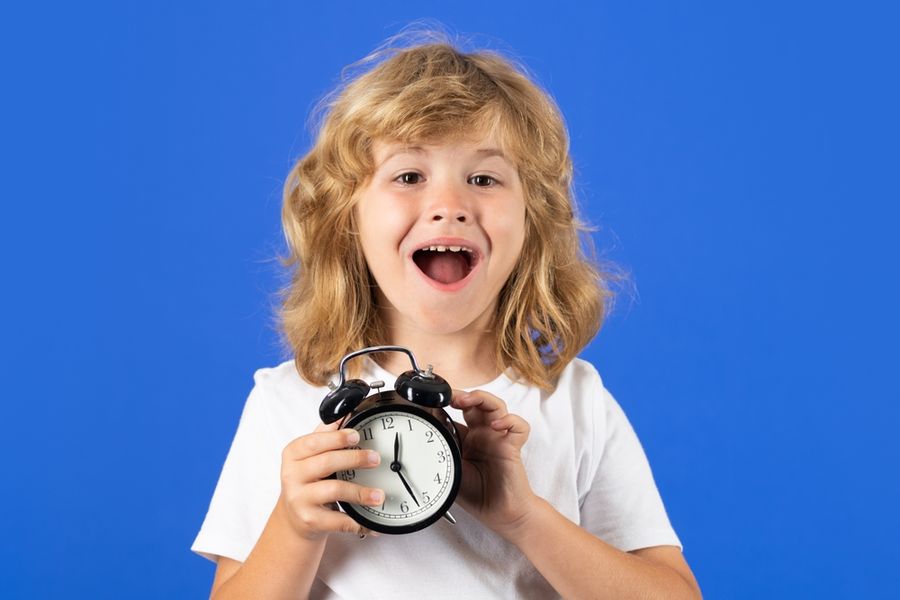
Understanding time can be challenging for preschoolers because concepts such as yesterday, tomorrow, and duration aren't always visible or easy to explain. Young children learn such ideas gradually through familiar routines, movement, and direct experiences. Simple activities can help them recognize the order of events, compare how long tasks take, and anticipate what happens next. With everyday materials and playful guidance, parents and educators can introduce foundational time concepts without expecting children to read clocks or memorize complicated schedules.
Create a Daily Routine Timeline
A visual timeline helps preschoolers understand that everyday activities happen in a recognizable order. Begin by collecting photographs or drawing pictures representing common routines, such as eating breakfast, getting dressed, attending preschool, and preparing for bed. Arrange the pictures on a long strip of paper and invite children to place them in the correct sequence.
Once the timeline is complete, use it to introduce words such as before, after, first, and last. Ask questions like, "What happens after breakfast?" or "What do we do before bedtime?" The activity can be adapted from visual schedule techniques that use pictures to represent daily events. Children can move a marker along the timeline as activities are completed, helping connect the illustrations with their experiences.
Experiment With Sand Timers and Stopwatches
Time becomes easier to investigate when children can observe a measurement tool in action. Provide a securely enclosed sand timer, a digital stopwatch, or a visual countdown timer. Allow children to watch the sand move or the displayed numbers change, explaining that these tools help measure how long something takes.
Next, introduce a simple challenge. Ask children to predict whether stacking five large blocks will take more or less time than putting on their shoes. Time each activity and compare the results without turning the exercise into a competition. Preschool duration activities include using timers and stopwatches to investigate how long ordinary tasks take. Focus on comparisons such as longer and shorter rather than expecting children to interpret precise measurements.
Make a Classroom Calendar for Special Events
Calendars introduce preschoolers to the idea that days occur in a repeating order and that some events happen in the future. Create a large weekly calendar using paper, markers, and pictures representing familiar activities. Include events such as library visits, outdoor play, family celebrations, or a scheduled classroom guest.
Each morning, invite children to identify the current day and move a marker to the appropriate space. Discuss what happened yesterday and what is planned for tomorrow. The children's calendar activity provides an approach to introducing days and months through personally meaningful events.
For younger preschoolers, begin with a three-day display labeled yesterday, today, and tomorrow. A shorter timeline may be easier to understand than an entire month. As children become familiar with the concept, gradually introduce the names of weekdays.
Practice Sequencing Through Everyday Tasks
Familiar activities offer opportunities to demonstrate why certain steps must happen in a particular order. Handwashing is a useful example because children can practice a sequence while completing an essential daily routine. Ask them to identify the steps involved, including wetting their hands, applying soap, scrubbing, rinsing, and drying.
Prepare illustrated cards representing the steps and invite children to arrange them before practicing at a sink. Ask what would happen if they tried drying their hands before rinsing away the soap. Early sequencing activities encourage children to examine familiar routines and consider why their order matters.
The same approach works with dressing for outdoor play or preparing a simple snack. Use a small number of steps initially, adding more as children become comfortable explaining the sequence independently.
Explore Time Through Movement Games
Movement activities provide an energetic way to experience duration, order, and timing. Begin with a simple action sequence involving three movements, such as clapping twice, touching the floor, and jumping once. Demonstrate the sequence slowly, then ask children to repeat the movements in the same order.
Once everyone understands the pattern, invite children to change the sequence or invent their own. This approach reflects movement-based sequencing activities that use songs, dances, and repeated actions to introduce ordered events. Children can explain which movement comes first and what happens last.
For a different challenge, set a short timer and ask children to count how many gentle jumps they can complete before it sounds. Discuss whether the activity felt quick or slow, emphasizing observation and enjoyment rather than performance.
Observe Changes Across Several Days
Some changes happen too gradually to notice during a single lesson. A multiday observation project can help preschoolers recognize that time passes even when they aren't watching a clock. Place a bean seed in a clear container with a damp paper towel and position it where children can observe its development.
Invite children to examine the seed each day and draw what they notice. Record the date beside each picture, creating a visual record of changes over time. Ask which drawing shows the earliest stage and what happened afterward.
Teachers can explain that the seed may not change visibly every day. This introduces patience and reinforces the distinction between immediate events and processes that unfold over several days. Adult supervision is important when handling seeds and other small materials.
Building an Early Understanding of Time
Preschoolers develop an understanding of time through experiences they can observe, repeat, and discuss. Visual schedules clarify daily sequences, timers introduce duration, and calendars connect familiar activities with days of the week. Movement games and multiday investigations expand these ideas through active participation.
Rather than emphasizing clock-reading too early, parents and educators can build understanding by using time-related language throughout ordinary routines. Questions about what happened before, what comes next, or which activity lasted longer encourage children to notice meaningful relationships. Through consistent, hands-on exploration, time and sequencing can become increasingly familiar parts of everyday learning.