

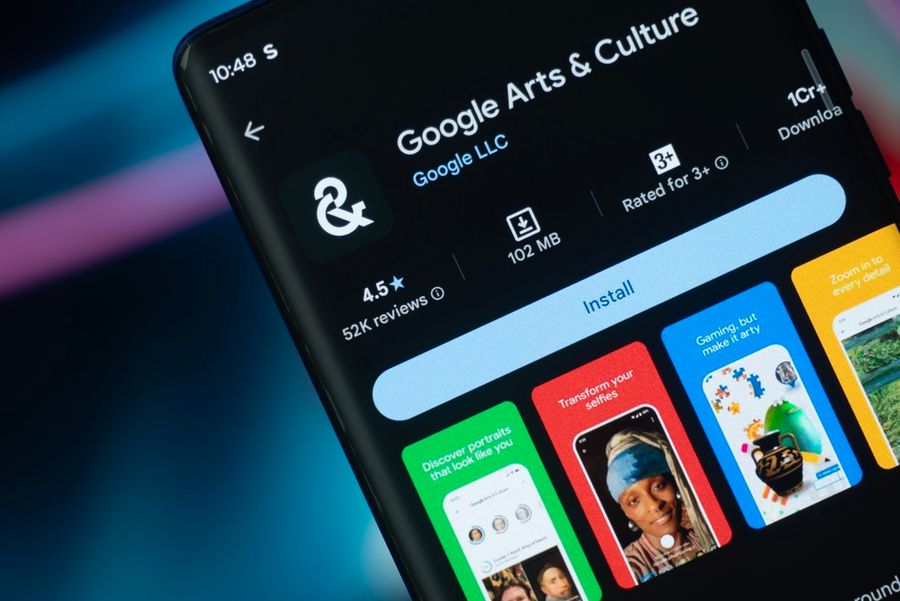
Historical artifacts offer fascinating clues about how people lived, worked, and expressed themselves centuries ago. Yet students rarely have opportunities to examine museum collections firsthand, especially when important objects are displayed overseas. Google Arts & Culture helps bridge that gap by providing digital access to artifacts, museum exhibitions, and historical collections from around the world. With the right research questions, students can use the platform to investigate ancient civilizations, examine everyday objects, and develop stronger skills in historical interpretation.
Find Historical Artifacts Through Digital Collections
Begin by visiting Google Arts & Culture, where students can search for historical objects, explore museum collections, and browse material organized by subject. The platform includes artifacts from numerous historical periods, allowing students to examine objects without needing to visit the museums that preserve them.
For a focused introduction, open the Learning About History collection. It includes resources covering ancient civilizations, historical figures, and cultural traditions, along with three-dimensional representations of selected artifacts. Teachers could begin with objects from ancient Mesoamerica, asking students to identify their materials, shapes, and possible purposes before reading the accompanying descriptions.
Examine Small Details Through Close Observation
One advantage of digital museum collections is the opportunity to inspect details that might be difficult to see during an in-person visit. Google Arts & Culture's high-resolution image collection allows users to zoom into selected artworks and historical objects, making decorative patterns, inscriptions, and construction techniques easier to examine.
Students can practice close observation by selecting an artifact and describing its visible characteristics before researching its background. A pottery vessel, for example, might feature repeated geometric patterns or images of animals. Students could consider whether those designs served decorative, practical, or symbolic purposes. This method reflects established object-based learning strategies, which encourage learners to describe, analyze, and interpret objects rather than immediately accepting an explanation.
Investigate American History Through Everyday Objects
Artifacts become especially meaningful when students connect them with familiar historical events. The National Museum of American History collection on Google Arts & Culture includes objects associated with politics, technology, entertainment, and daily life in the United States.
Teachers could ask students to investigate Abraham Lincoln's top hat, which appears in the platform's 5 Objects from the Archives exhibition. Rather than simply identifying its owner, students could examine how the object relates to clothing customs, public identity, and personal history. An accompanying activity might involve writing a short museum label explaining what the hat reveals about its historical context, using information from the exhibition to support the interpretation.
Compare Artifacts From Different Civilizations
Comparing objects from separate cultures helps students distinguish shared human needs from differences in technology, beliefs, and artistic expression. Google Arts & Culture's browsing features support investigations organized by historical periods, locations, and artistic media, making it possible to locate objects that serve similar purposes.
For example, students could compare ceremonial vessels from ancient Greece and China. They might examine materials, decorative motifs, and the purposes identified in museum descriptions. Teachers should encourage students to identify similarities without assuming that the objects carried identical meanings. Each interpretation should reflect the historical evidence available, including information about the object's original setting and intended use.
Explore Three-Dimensional Artifacts and Historical Stories
Some objects are difficult to understand through photographs alone because their shape and construction are important to their function. Google Arts & Culture's Talking Museum experiment, introduced in September 2026, offers a way to examine selected cultural artifacts as interactive three-dimensional objects.
Students can browse artifacts from different periods, rotate and enlarge selected objects, and explore accompanying information. The experiment also includes AI-assisted questions and commentary. A teacher could ask students to inspect an object from several angles, document its distinctive features, and compare the AI-generated explanation with a museum description. Because AI explanations can contain errors, students should verify historical claims before including them in assignments.
Turn Artifact Exploration Into a Research Assignment
Digital collections are particularly useful when students must investigate an object rather than simply summarize its description. Teachers can assign each student a historical artifact and ask them to create a short research profile identifying its approximate date, geographic origin, materials, likely purpose, and cultural significance.
Students should distinguish observations from interpretations. For instance, identifying a metal blade is an observation, while claiming that it belonged to a warrior requires additional evidence. The object-based learning approach encourages students to observe carefully, ask questions, make connections, and reflect on their conclusions. Teachers can strengthen the assignment by requiring students to corroborate important claims with information from the collecting museum or another reliable historical resource.
Bringing Historical Objects Into Modern Learning
Google Arts & Culture allows students to encounter historical objects that might otherwise remain inaccessible. Its museum collections, detailed images, virtual exhibitions, and interactive features provide opportunities to explore material culture while developing observation and research skills.
The most valuable lessons encourage students to move beyond identifying artifacts and investigate what those objects reveal about the people who created and used them. By pairing digital exploration with thoughtful questions and credible historical sources, teachers can transform museum collections into meaningful opportunities for examining the past. Students gain a clearer appreciation of how ordinary objects can preserve extraordinary stories about human history.